Mobility and Flexibility Assessments
1. Cervical Spine Mobility – Extension & Flexion
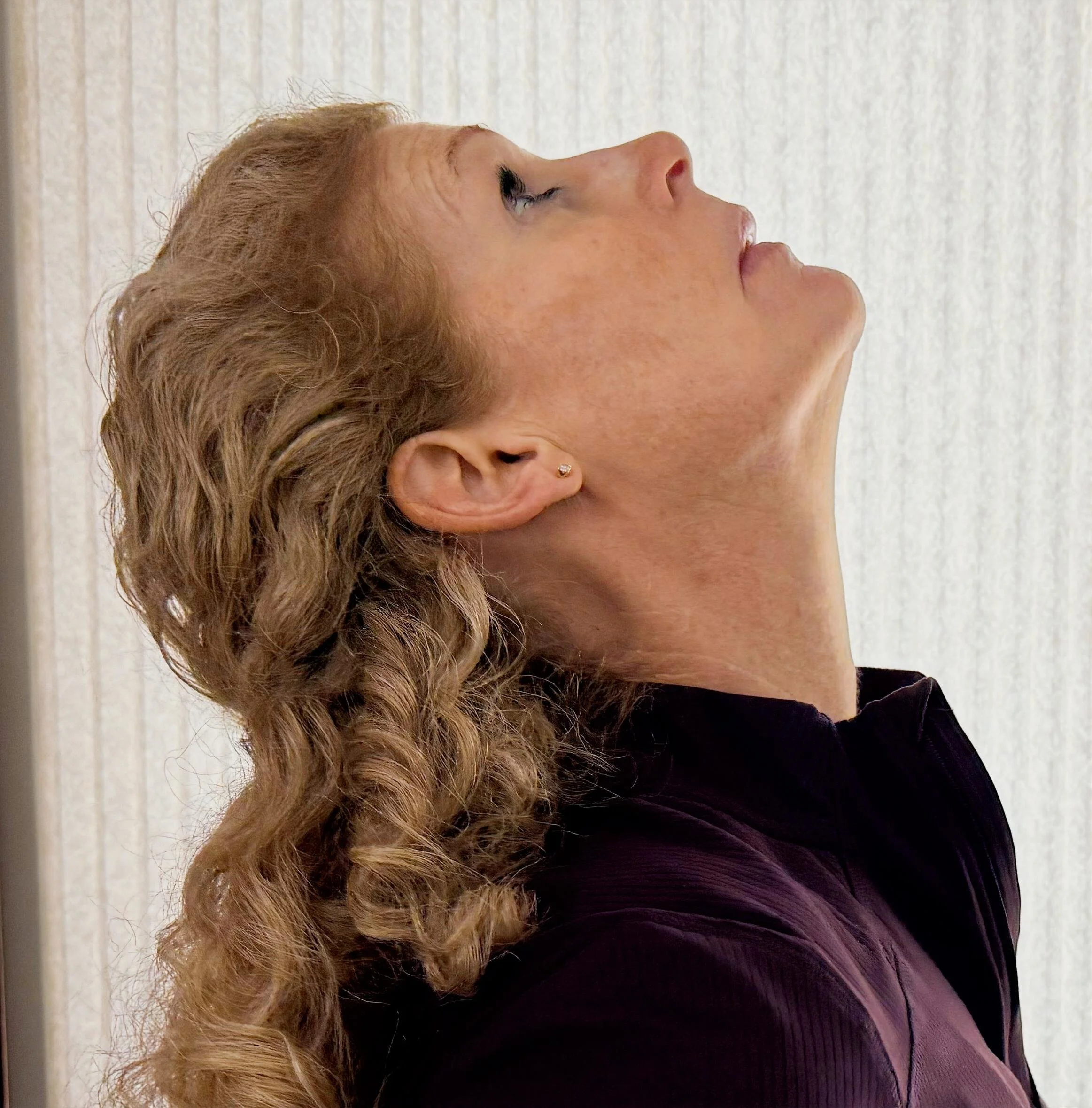
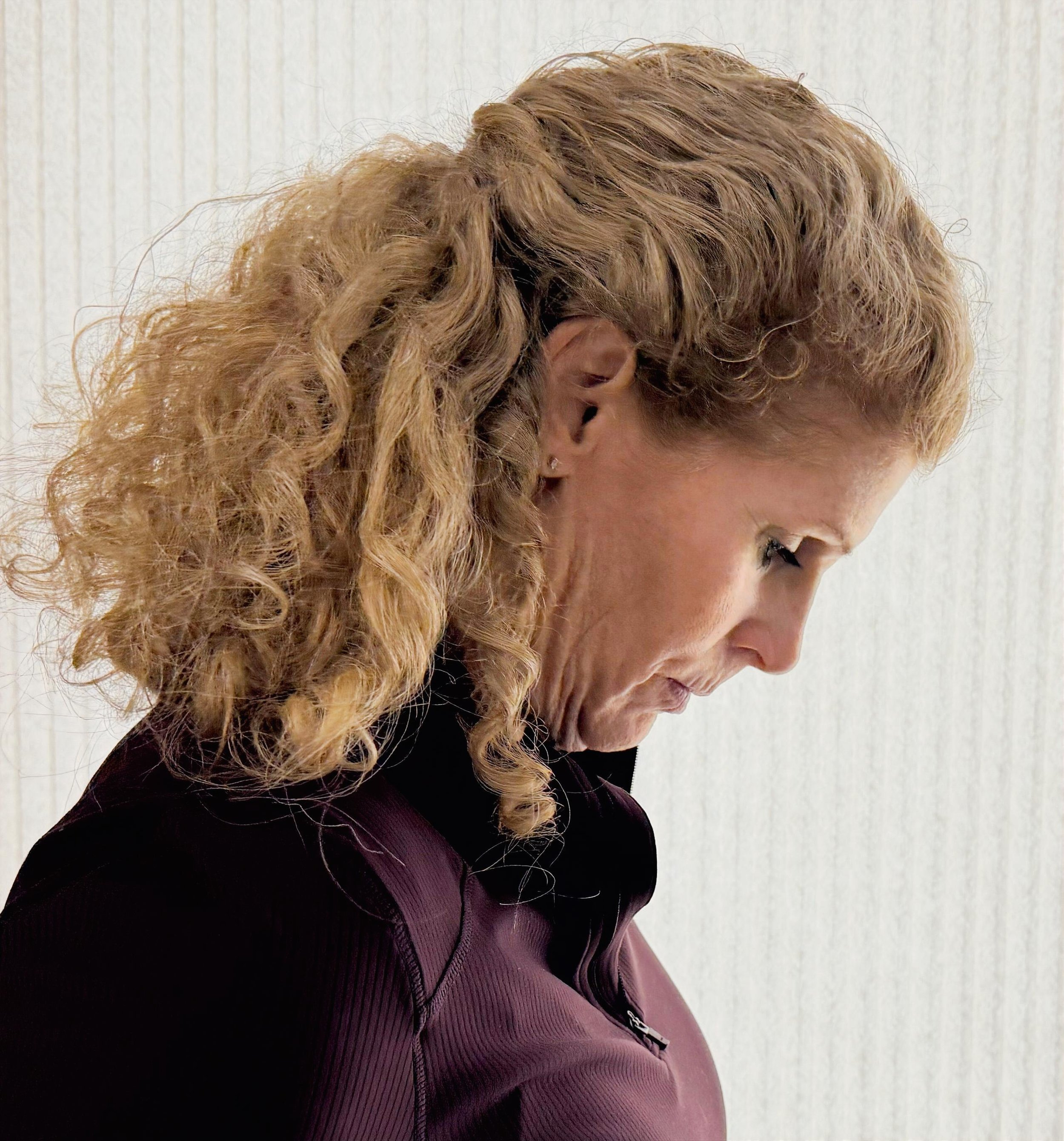
Assessment – Raise your head to look up at the ceiling, then bring your chin downwards to touch your upper chest.
Explanation - Normal neck range of motion allows you to easily look up at the ceiling and down at your chest. If this is difficult or uncomfortable, check your posture. A forward head position and rounded shoulders can limit neck movement due to tightness in the neck and upper back muscles.
2. Cervical Spine Mobility – Rotation
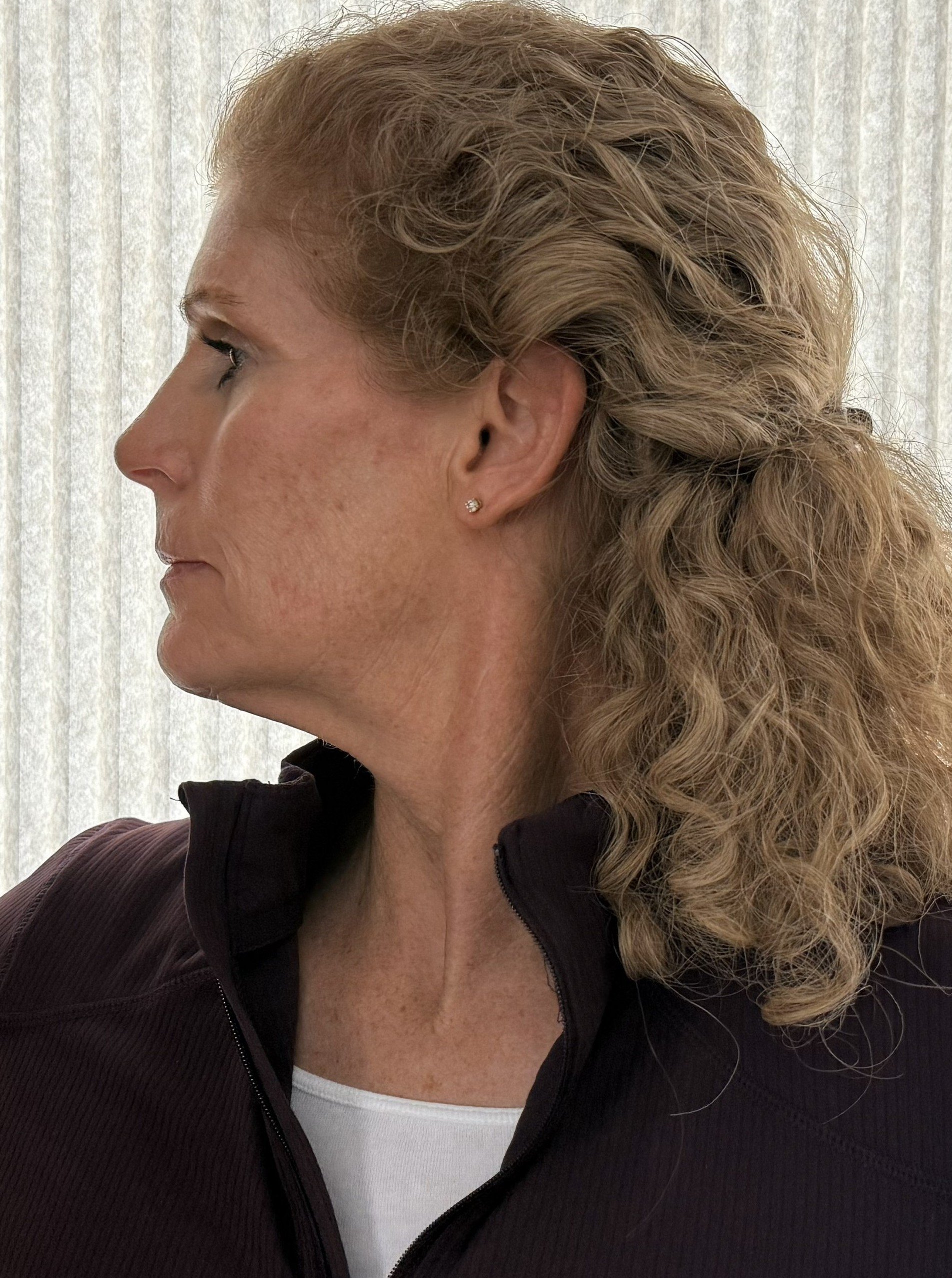
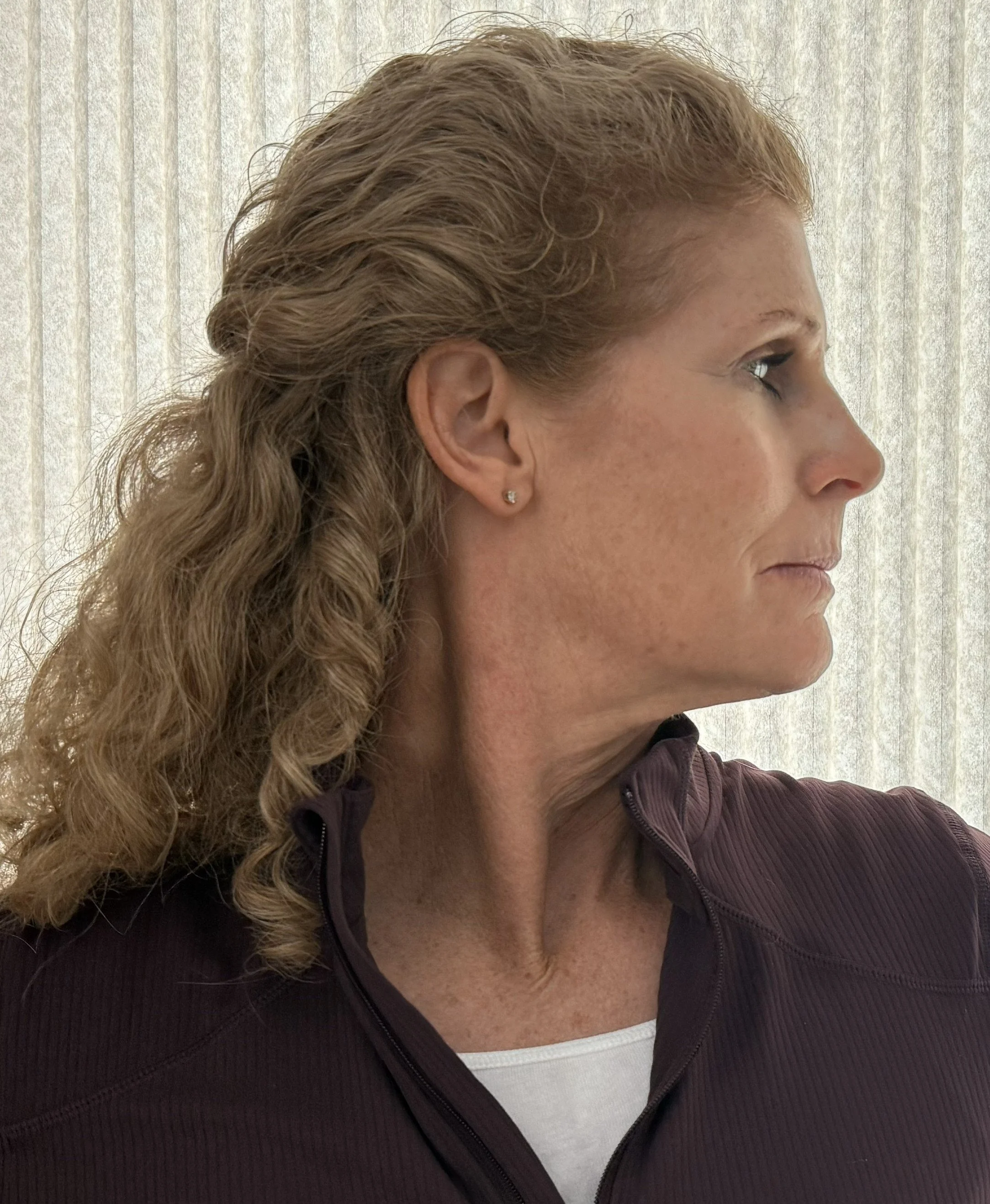
Assessment - Turn your head as far as you can to the right and then to the left.
Explanation - Normal neck range of motion involves the ability to turn your head approximately 90 degrees in both directions. Observe or record yourself while turning your head and note if your chin moves upwards. Listen for any snapping or grinding noises. The upward movement of your chin and hearing noises may indicate tightness and potential wear and tear of the cervical spine usually due to poor posture.
3. Upper Extremity Mobility and Flexibility
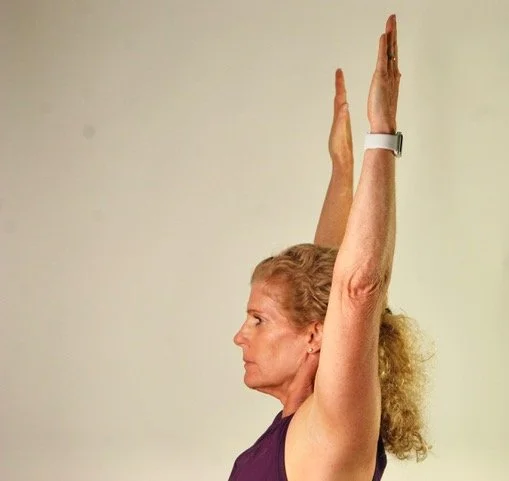
Assessment - Lift your arms at the front of your body to your ears.
Explanation - Full anterior shoulder range of motion is the ability to lift both arms to at least your ears. If you cannot lift your arms this high, look at your posture. Having a rounded upper back with inward rotating shoulders and a forward head posture results in muscle tightness in these areas, which will limit the range you can raise your arms.
If you are unable to raise both arms to head height or require assistance to lift one of your arms, this is most likely attributable to muscle weakness or instability. Furthermore, severely limited shoulder movement may indicate the presence of adhesive capsulitis, commonly known as a frozen shoulder. It is strongly advised that you consult with your physician or a physical therapist to accurately diagnose the cause of any restricted mobility or pain.
4. Apley Scratch Test - Upper Extremity Mobility and Flexibility
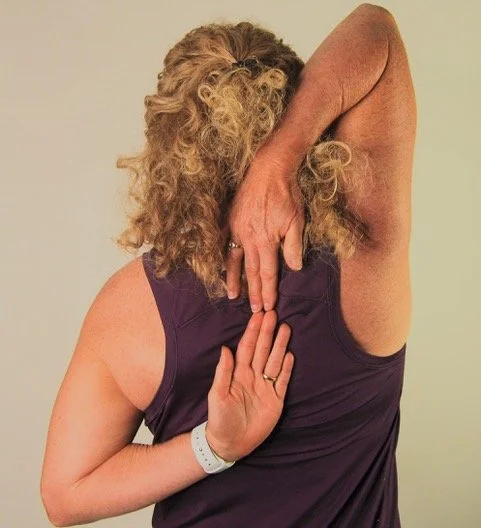
Assessment - Raise your right arm overhead (like you are trying to scratch an itch on your upper back). Rotate your left arm behind your back and try to touch your right hand. Switch arms and repeat. Can you touch your fingers together in both directions?
Explanation - This assessment evaluates various movements that can indicate your shoulders’ ability to rotate both inward and outward while moving above and behind your body. These movements are essential for tasks such as shampooing or combing your hair, washing your back, putting on a bra, reaching into your back pocket, or maintaining personal hygiene. When caring for an elderly individual who cannot perform these actions unaided, it becomes clear how crucial these movements are for preserving one’s independence and dignity.
5. Thoracic Spine Mobility
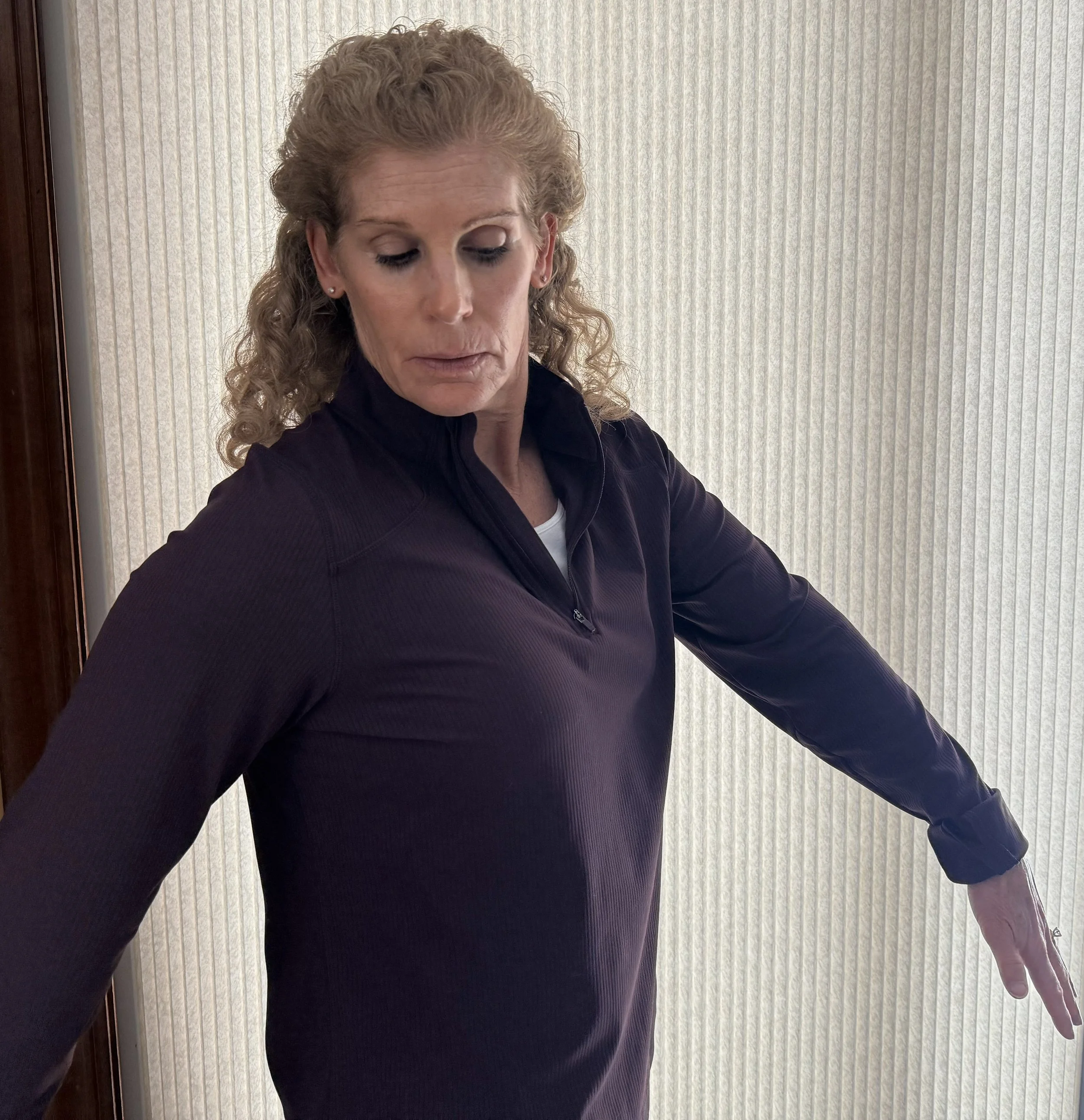
Assessment - Stand with your back to a mirror, feet stay planted pointing away from the mirror. Rotate your upper body to the right and towards the mirror. Switch directions and repeat by rotating to the left.
Explanations – Optimal thoracic mobility allows you to easily rotate using your rib cage (not your low back) to see the front of your shoulder in the mirror. If you notice a significant difference in your ability to turn right versus left, it may be due to muscle tightness caused by repetitive, one-sided movements.
For example, you might frequently turn to the right throughout the day, whether to interact with a coworker, reach for items on your desk, or complete work tasks. Similarly, participating in sports or activities that favor one side, such as swinging a golf club, throwing a ball, serving food, or reaching for files, can reinforce these imbalances.
Over time, these repetitive movements can cause the muscles on one side of your torso to tighten while overstretching those on the opposite side, leading to asymmetry and restricted mobility.
If you are unable to rotate far enough to see either shoulder in the mirror, or if you experience discomfort in your lower back or knees, improving the mobility of your thoracic spine could make a significant difference.
6. Hamstring Flexibility
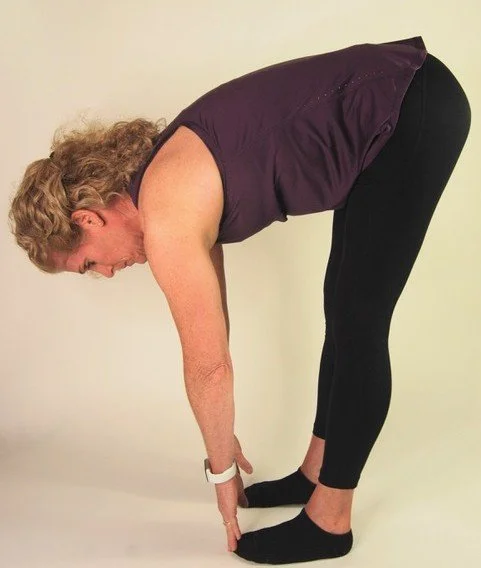
Assessment - Bend down to touch your toes while keeping your legs straight.
Explanation - Observe yourself in a mirror from the side while performing this action or have someone observe how you bend. Check if you are arching your back to bend. To avoid stress to your lower back, it is recommended to bend at your hip joints while keeping your back straight, especially when picking something up from the floor. If you cannot reach your toes without bending your knees, this may not only be due to tightness in the muscles of your hamstrings, as commonly believed. It could also be attributed to motor control. Your brain (central nervous system) may prevent you from leaning beyond a certain point due to a fear of falling.
7. Lower Extremity Mobility & Flexibility
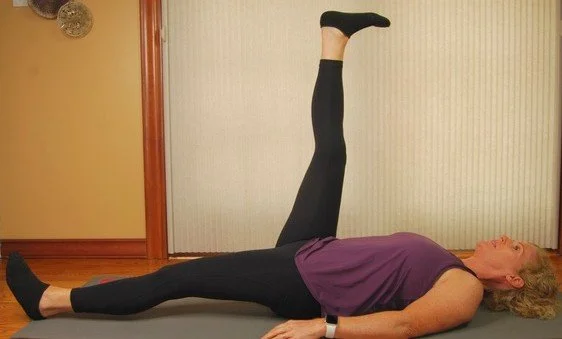
Assessment - Lie on your back and raise one leg up towards the ceiling while keeping the opposite leg touching the floor. Repeat with other leg.
Explanation - Inability to lift your legs to an 80-degree angle suggests muscle tightness in the hamstrings and/or calves. Difficulty lifting your leg without assistance indicates potential weakness in the muscles at the front of your hips and thighs. Additionally, failing to keep the opposite leg in contact with the ground signifies muscle tightness in the hips and quadriceps of that leg.
8. Low Back, Hip & Knee Mobility
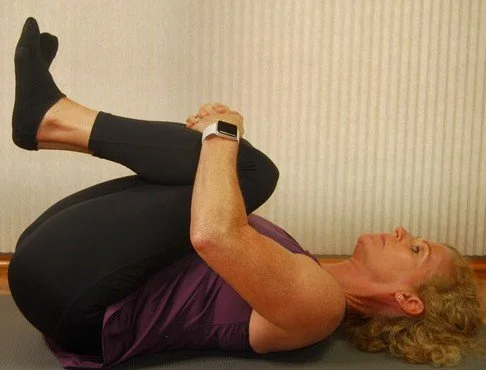
Assessment - Lie on your back, bend one or both of your knees to touch your ribs.
Explanation – If you find this difficult, it is likely that you may have trouble squatting as well. Consider when you last performed a squat. If you have no history of pain, injury, or surgery involving your back, hips, or knees, difficulty in bringing your knees to your rib cage could suggest muscle tightness and reduced joint mobility in these regions. One contributing factor for lower back tightness may be prolonged periods of sitting on the edge of a chair without proper back support throughout the day. Additionally, if you are unable to bring your knees to touch your ribs due to abdominal girth, this limitation will impact more than just your mobility.
9. Calf Flexibility and Ankle mobility
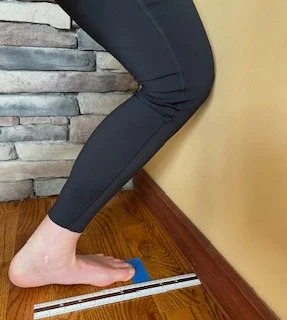
Assessment - Face a wall and place the toes of one foot five inches from this wall (may help to mark 5" with a piece of tape). While keeping the heel in contact with the floor, touch your kneecap to the wall. Repeat with other leg.
Explanation - Adequate flexibility of the calf muscles and ankle range of motion enables an individual to touch their knee to the wall while maintaining heel contact with the floor. If the heel lifts during this movement, it indicates tightness in the calf muscles and/or stiffness in the ankle joint. This limitation can impair ankle and knee mechanics, potentially affecting normal walking pattern, speed and stride length, and may ultimately lead to dysfunctional compensation in other body parts.
10. Toe Mobility & Flexibility
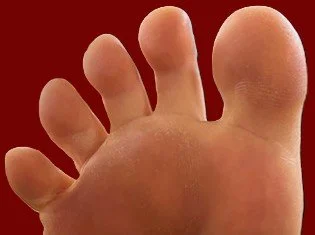
Assessment - Spread your toes apart and then bend and straighten them.
Explanation - Do you have restricted mobility in any of your toes? Have you ever considered the significance of toe mobility and flexibility? Many individuals neglect the function of their toes until they encounter pain. Preserving flexibility and mobility in the toes and feet is crucial for proper gait and maintaining balance. Limited toe mobility can reduce walking speed and increase the risk of falling.
Personal Note:
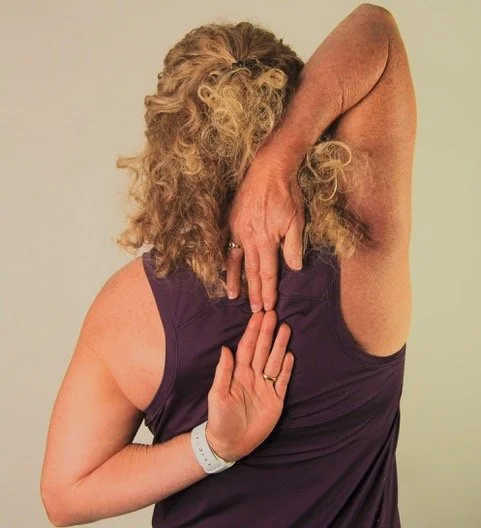
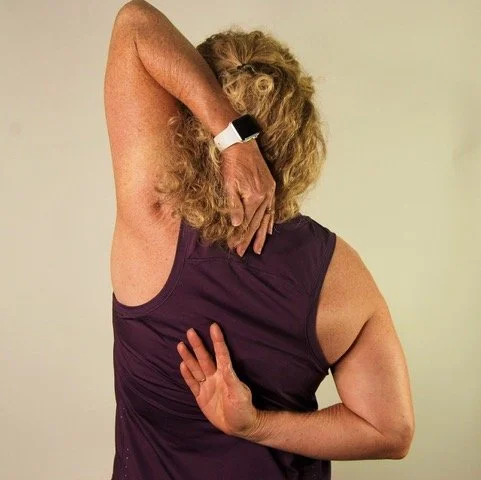
Notice in the pictures above of my Apley scratch test (Assessment 4), you will see that my right shoulder has far less mobility than my left, I cannot even come close to touching my fingers together. I stretch this shoulder at least five times a week, yet progress remains limited. The restriction comes from scaring and complications caused by a blood clot and surgery I underwent in my early forties.
Even with consistent stretching and mobility work, I know I will never fully regain my original range of motion. So, why do I keep at it? Because these efforts have prevented further decline. This is an important illustration as you assess your own body: not everyone will achieve perfect mobility or flexibility, especially after injuries or surgeries.
The key takeaway is this: focus on maintaining or improving your functional mobility, your ability to move freely and perform daily tasks without pain. Addressing limitations where possible can help prevent additional wear and tear, reduce injury risk, and minimize discomfort over time.
This set of assessments is designed to increase your awareness of common mobility and flexibility issues, explain why they occur, and highlight their potential consequences. Now that you know, the next step is to learn what you can do about them.
Check out my follow-up blogs on Upper Body Mobility & Flexibility and Lower Body Mobility & Flexibility. These resources offer more comprehensive explanations to enhance understanding, along with targeted corrective exercises designed to support proactive improvement of posture, cervical and thoracic spine function, and mobility in the shoulders, lower back, hips, knees, ankles, and toes, as well as increased flexibility in the hamstrings, calves, and toes.
Also, check out my third set of assessments on Functional Strength and Balance to discover your body’s overall strength and steadiness. These assessments are particularly beneficial for an older adult as they are a good predictor of one’s ability to remain active and independent at home and in the community.